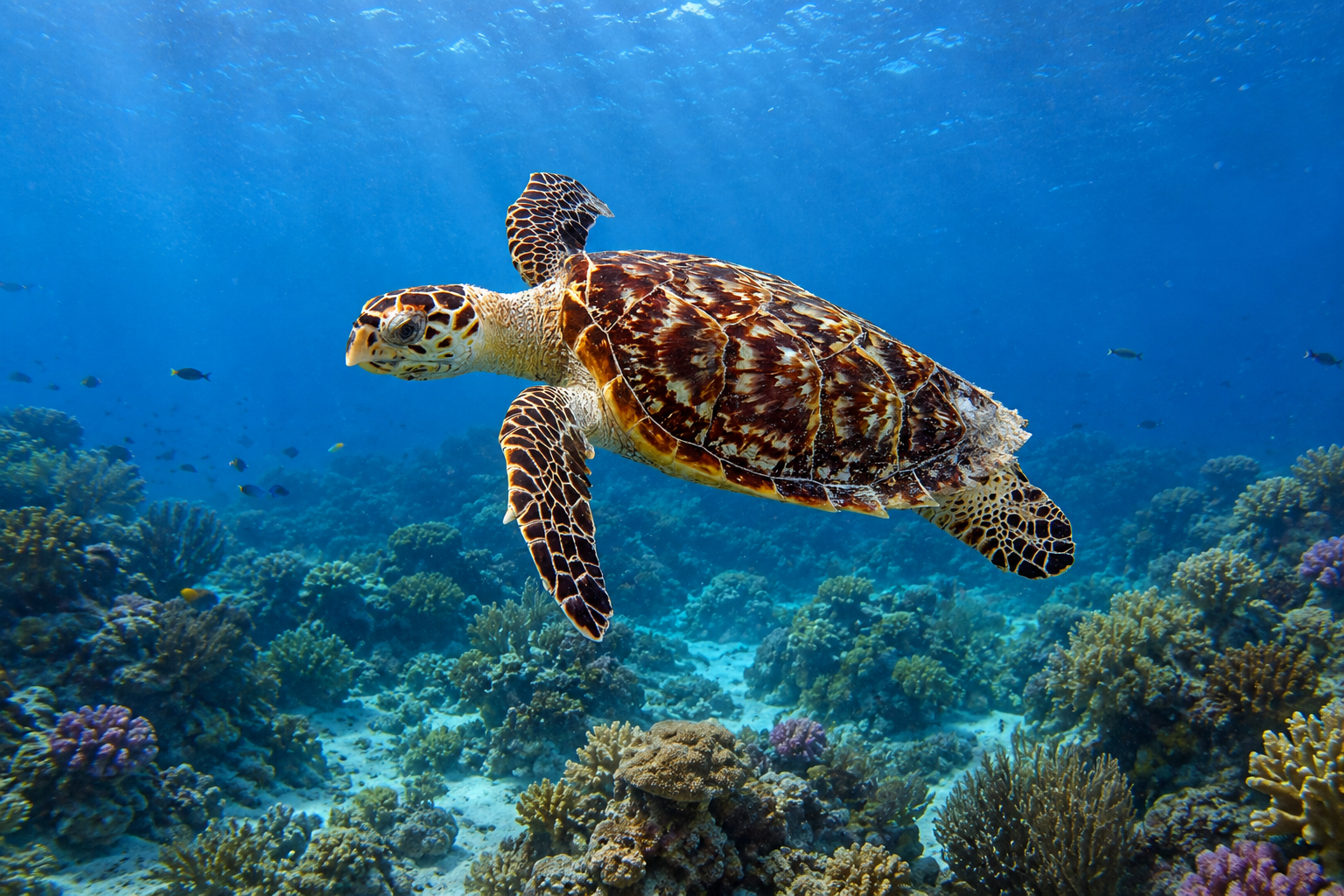
Sea turtles are very ancient animals. They've been around more than 100 million years. That means they lived alongside the dinosaurs!
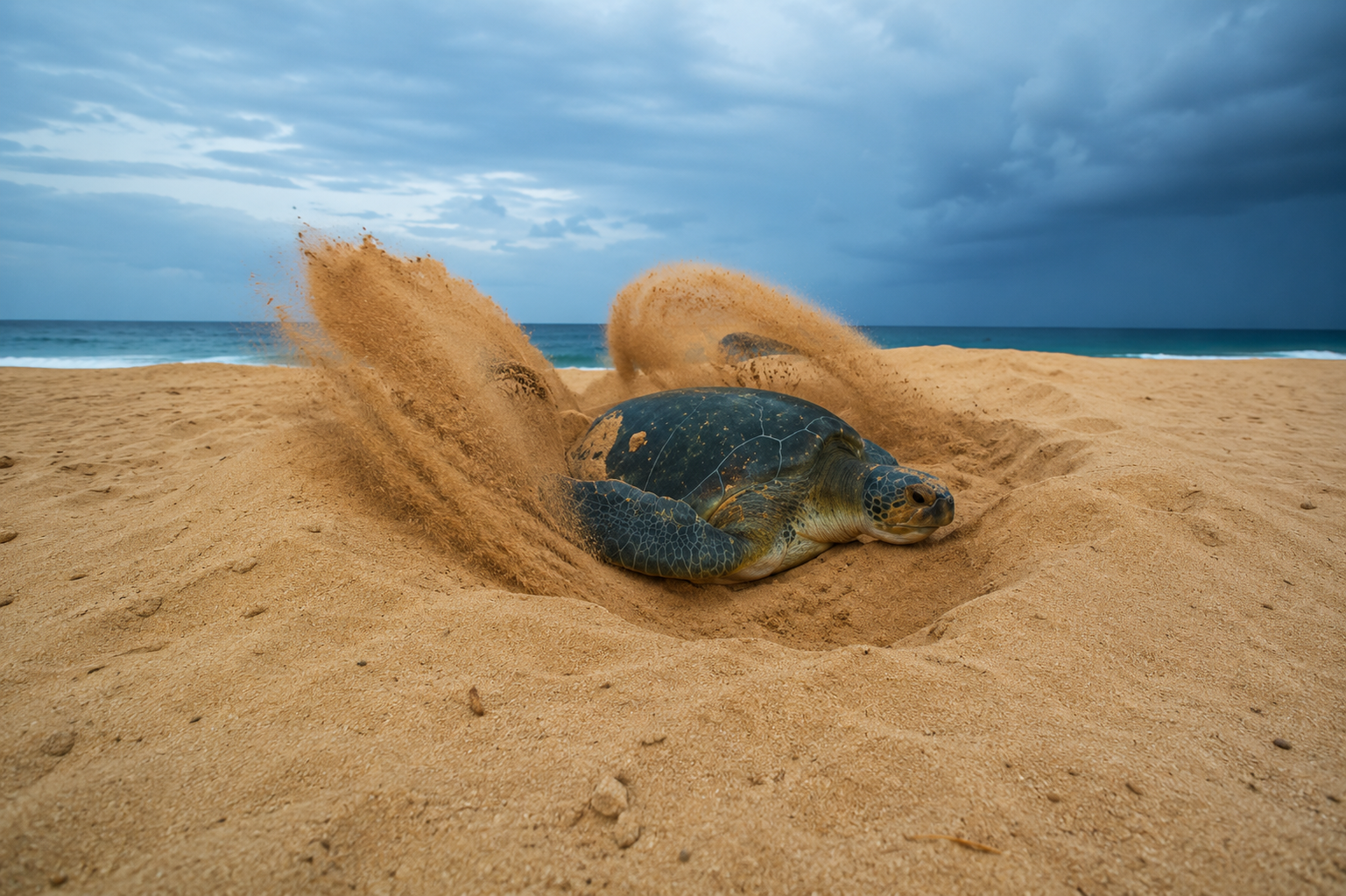
After spending years roaming the ocean, many female sea turtles return to the exact beach where they were born to lay their own eggs. I still have trouble finding my math class.
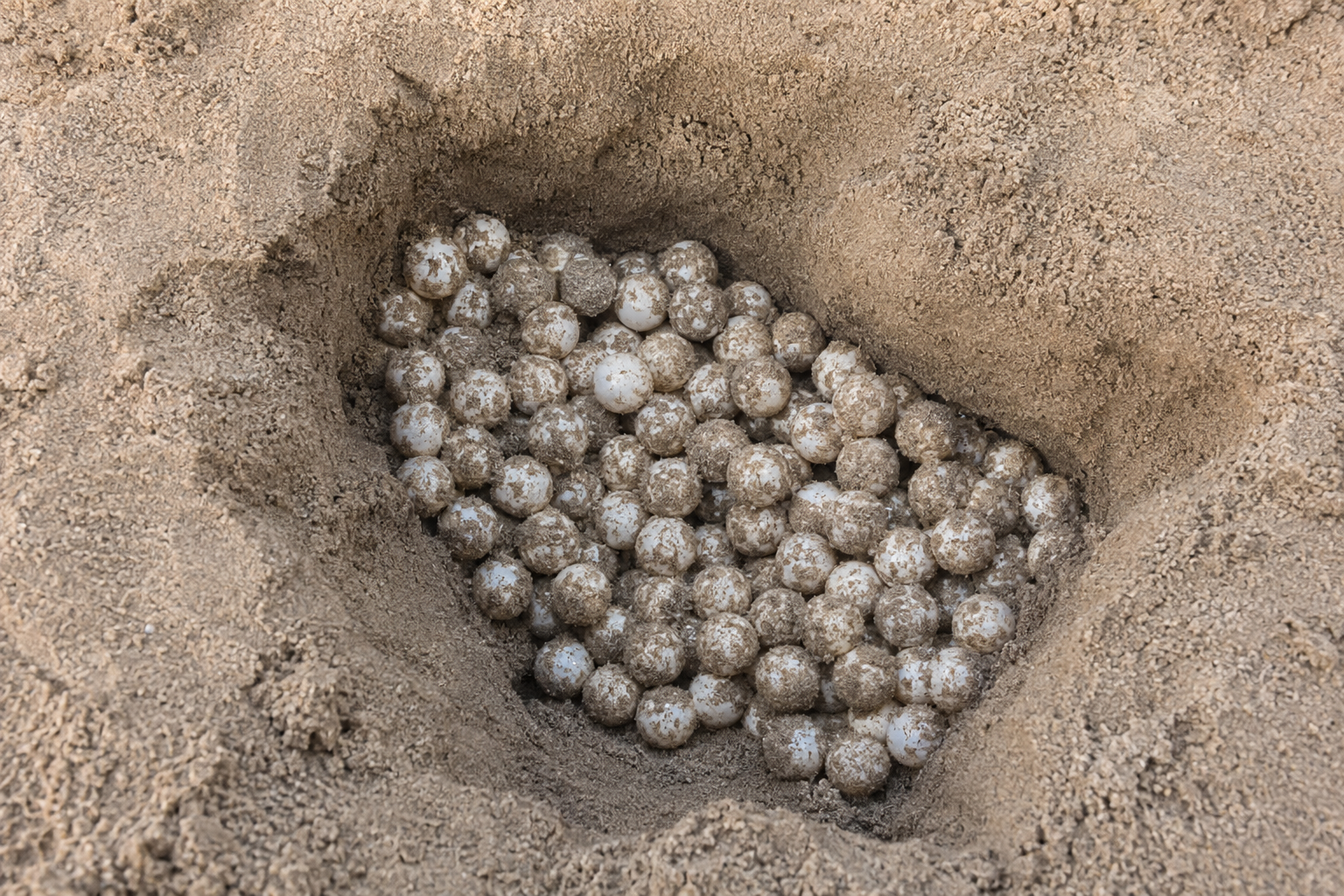
For the longest time, I thought all eggs were hard and brittle. But it turns out sea turtle eggs are actually soft and leathery. And females can lay up to 100 eggs at a time, or even more!
The temperature of the nest determines whether hatchlings become male or female. Warmer sand produces more females, while cooler sand produces more males. Good thing it doesn't work like that for humans - I was born in winter.
Ahatchling's journey from the nest to the ocean is one of the most dangerous trips in nature. Birds, crabs, fish, and many other predators hunt baby turtles, so only a small few survive to grow up.
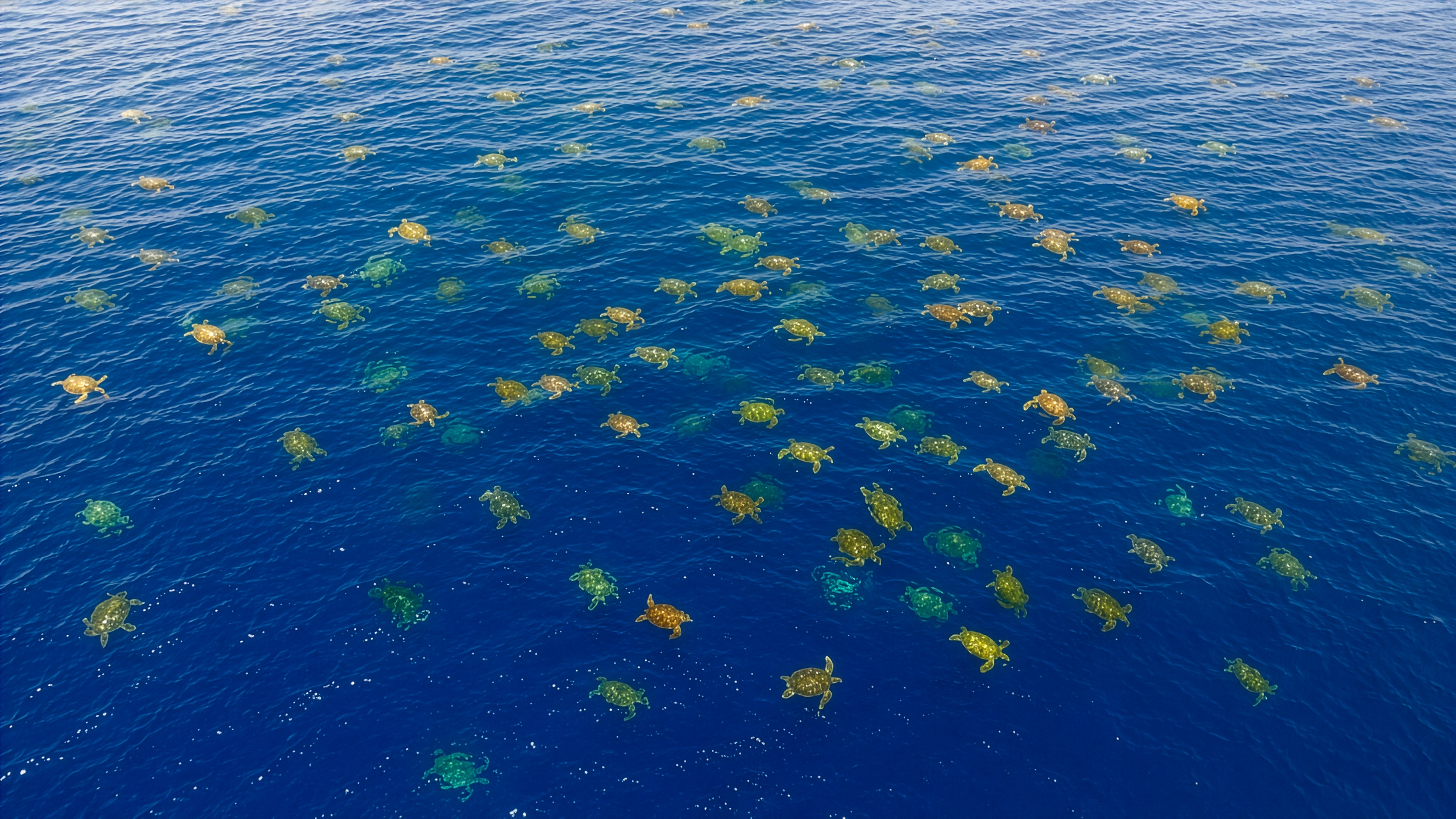
Sea turtles migrate farther than almost any other marine animal. They use Earth’s magnetic field like a built-in map and compass, allowing them to travel thousands of miles. If humans could do that, we'd never need GPS again.
Sea turtles can't breathe underwater. They have lungs like we do, not gills like fish. They can hold their breath for up to several hours, but eventually they have to swim to the surface to take a breath of air. I never realized that before.