Most Butterflies Live Short Lives
Most butterflies only live for a few weeks after becoming adults. But scientists just discovered that some species, called Heliconius butterflies, can live for almost an entire year, making them some of the longest living butterflies ever discovered. Even more surprising, they don't get weaker or unhealthy as they get older like most animals do.
A Butterfly That Lived Almost a Year
Researchers studied several species of Heliconius butterflies that live in the rainforests of Central and South America. What they discovered was astonishing. They found that these butterflies live much longer than other butterfly species. During their research study, most related butterflies lived for about 14 days. But a Heliconius butterfly lived for an incredible 348 days! That means the Heliconius butterfly lived about 25 times longer than the others!
Let's put that in human terms. Humans live an average of about 80 years. If you lived 25 times longer than the average person, just like the Heliconius butterfly in the research study, you would live to be about 2,000 years old!
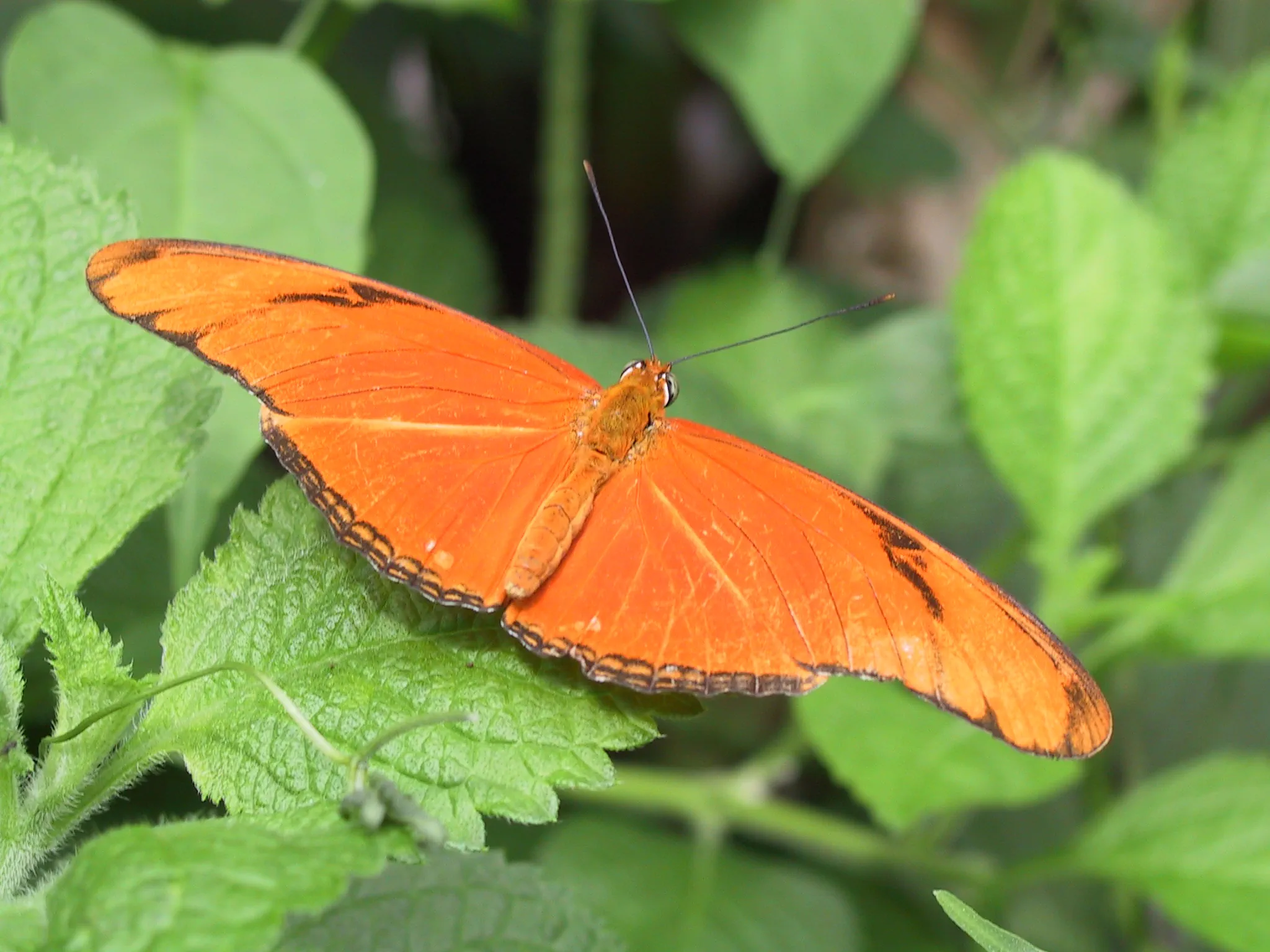
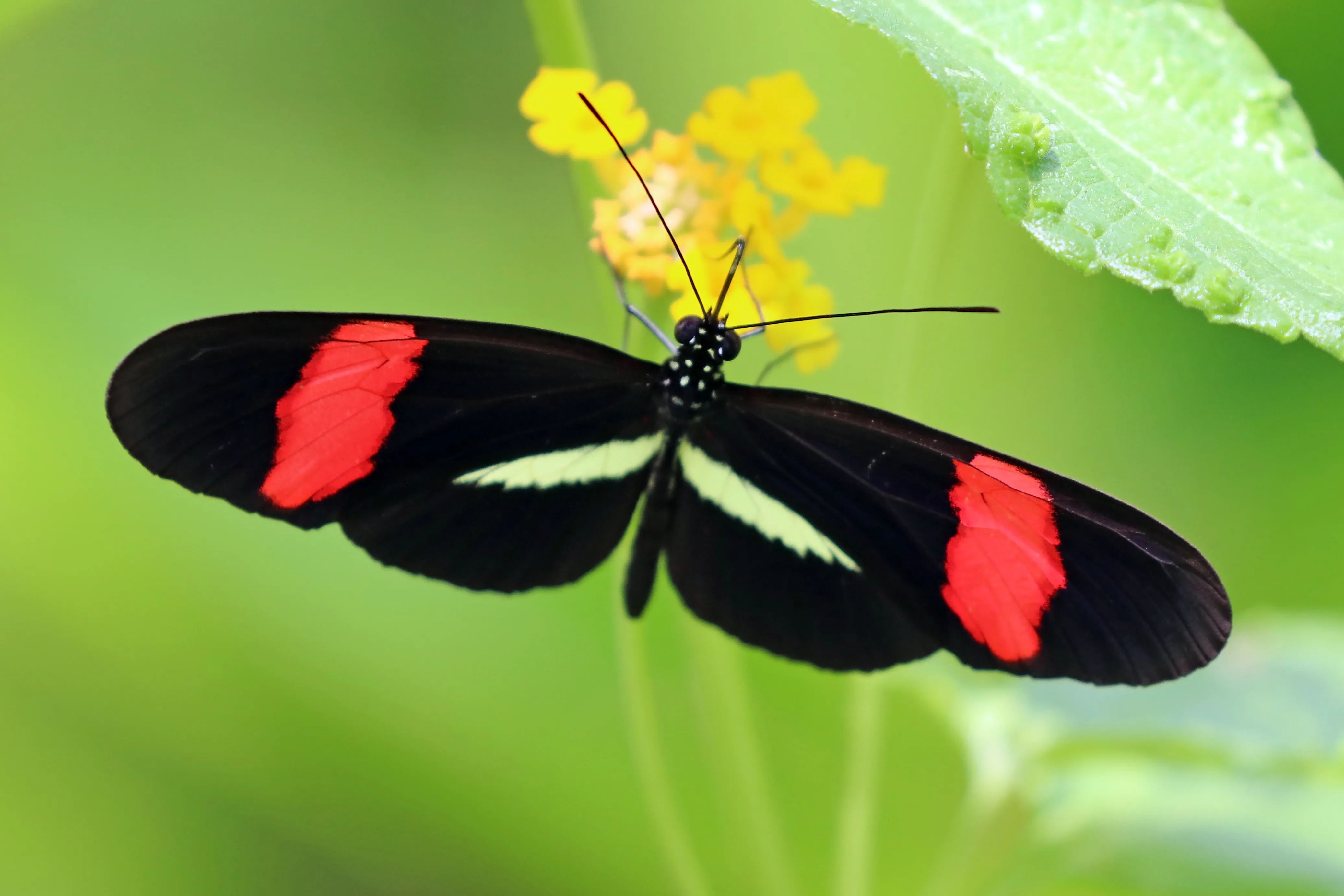
Julia heliconian butterfly.
Do Older Butterflies Get Weaker?
But just as surprising, the Heliconius butterflies don't seem to get sick or weaker as they age. During the study, the researchers measured the grip strength of all the butterflies throughout their lives. The study showed that all the other butterfly species became weaker as they grew old. But surprisingly, older Heliconius butterflies were just as strong as younger ones. This suggests that Heliconius butterflies don't experience the physical decline that normally happens during aging.
The Mystery of Their Special Diet
For many years, scientists believed that the unusual diets of Heliconius butterflies might explain their long lives. Most butterflies only drink nectar from flowers, but Heliconius butterflies also eat pollen. Pollen contains extra nutrients, so researchers thought it might help them stay healthy longer.
To test this idea, scientists removed pollen from the diet of some Heliconius butterflies. But even without eating pollen, the Heliconius butterflies still lived much longer than their relatives. This showed that pollen alone cannot explain their incredible lifespan. Instead, scientists think that both their special diet and unique genetic adaptations help them live longer.
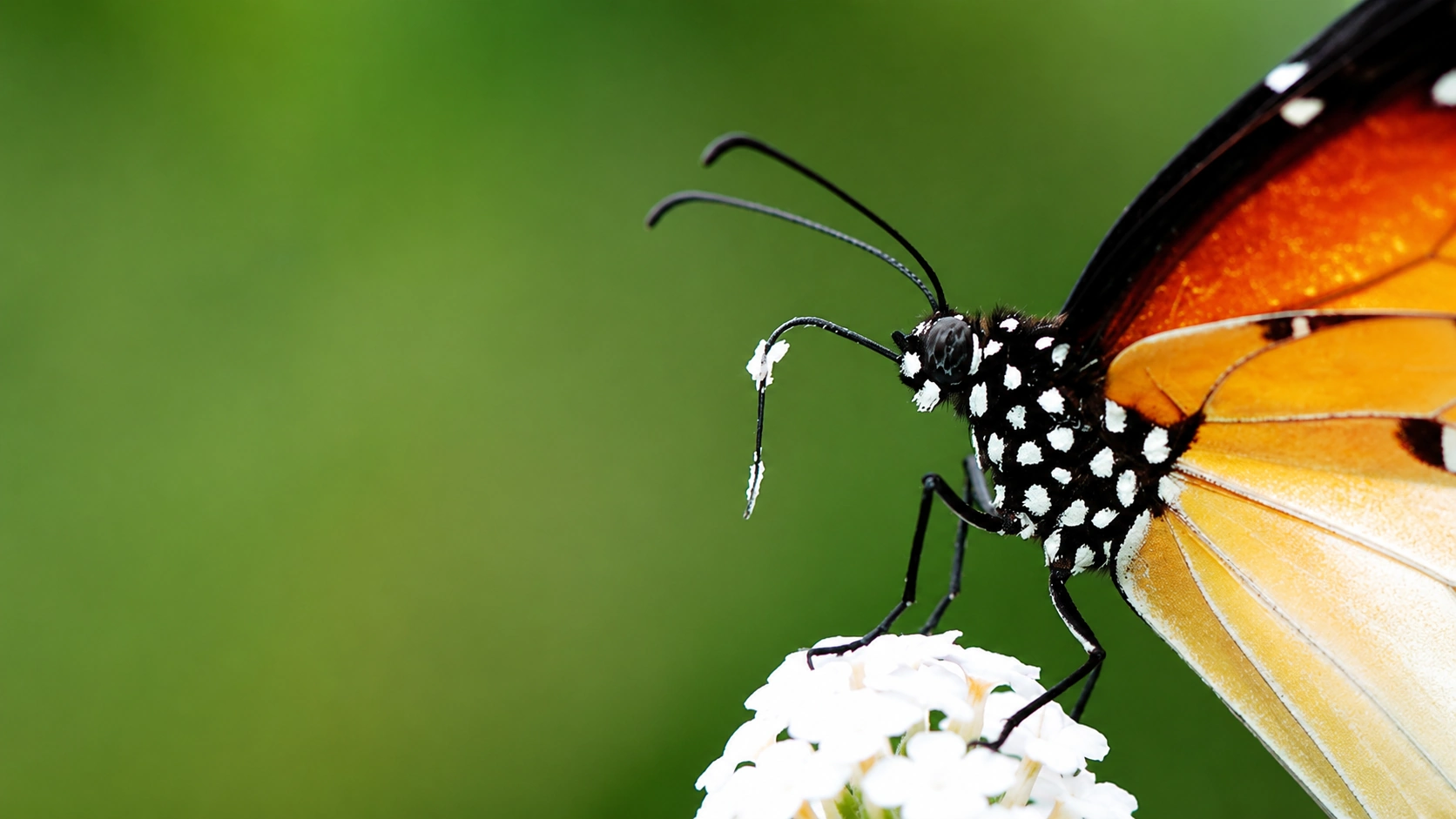
A butterfly feeding on nectar from a flower.
Why This Discovery Matters
Nature often holds clues that help scientists solve problems that people face, and these butterflies may be one of those clues. By understanding how Heliconius butterflies stay healthy for so long, scientists hope to better understand aging in humans. Future research may help answer important questions: Why do these butterflies age differently than us? What genes are involved? Could humans have similar genes? And what other long-living animals could scientists learn from? One day, this research can unlock the secrets for people to live longer, healthier lives.
Sources
Foley, J., McPherson, J., Roger, M., et al. (2026). Evolution of increased longevity and slowed ageing in a genus of tropical butterfly. Nature Communications, 17, 5077. https://doi.org/10.1038/s41467-026-73635-7